How Does Vibration Therapy Enhance Blood Circulation
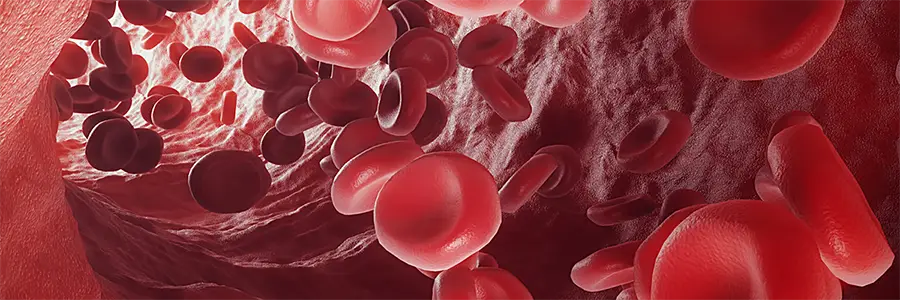
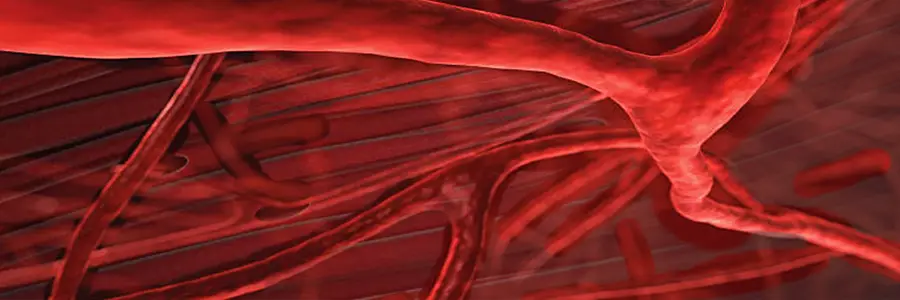
Vibration therapy improves blood circulation mainly through enhancing our natural skeletal muscle pump function.
Through the skeletal muscle stretch reflex, vibration can induce rapidly repeated muscle contractions. These contractions create a dynamic pumping effect on blood vessels within and surrounding the muscles, helping facilitate peripheral blood flow and return venous blood to the heart.
Content Index
- What Drives Blood Circulation?
- Skeletal Muscle Pump
- Vibration Enhances the Skeletal Muscle Pump
- Increased Blood Flow and Muscle Oxygenation Observed in Research
- Applications of Vibration Therapy for Circulation Improvement
- Vibration Exercise for Circulation Improvement
- References
What Drives Blood Circulation?
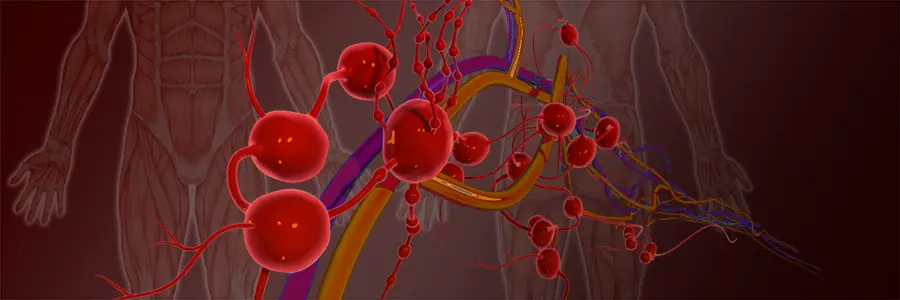
The heart, blood vessels, and skeletal muscles work together to maintain blood circulation throughout the body.
The heart provides the primary driving force for blood flow, while blood vessels regulate and distribute the flow. Skeletal muscles provide an important auxiliary pumping function, particularly in assisting venous blood return to the heart.
The role of skeletal muscles in circulation is often overlooked. This is also where vibration therapy can have a direct influence.
| Primary Role | Muscle Involved | Contraction | |
| Heart | Generate blood-flow pressure | Cardiac muscle | Involuntary |
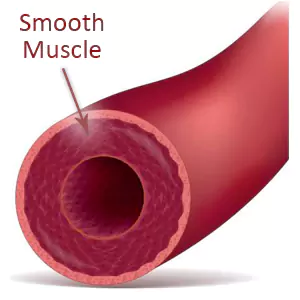
| Blood vessels | Regulate & distribute blood flow | Smooth muscle | Involuntary |
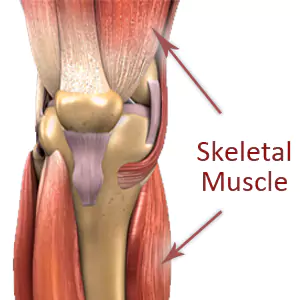
| Skeletal muscles | Assist peripheral flow & venous return | Skeletal muscle | Voluntary & reflexive |
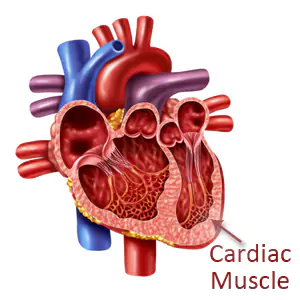
The heart is the primary driver of blood circulation. Through rhythmic, involuntary contractions of cardiac muscle, it generates the pressure that propels blood through the circulatory system.
Blood vessels regulate and distribute blood flow throughout the body. Smooth muscle within the walls of arteries and arterioles contracts or relaxes to change vessel diameter, thereby regulating vascular resistance and controlling how much blood reaches different tissues.
Smooth Muscles in Blood Vessels
The walls of arteries and arterioles contain smooth muscle that contracts and relaxes involuntarily. When the smooth muscle contracts, the vessel narrows; when it relaxes, the vessel widens. This process helps regulate blood pressure and directs blood flow according to the needs of different tissues.
Besides the heart and blood vessels, skeletal muscles play an important role in circulation through the skeletal muscle pump, particularly in helping return venous blood from the extremities to the heart.
Skeletal Muscle Pump
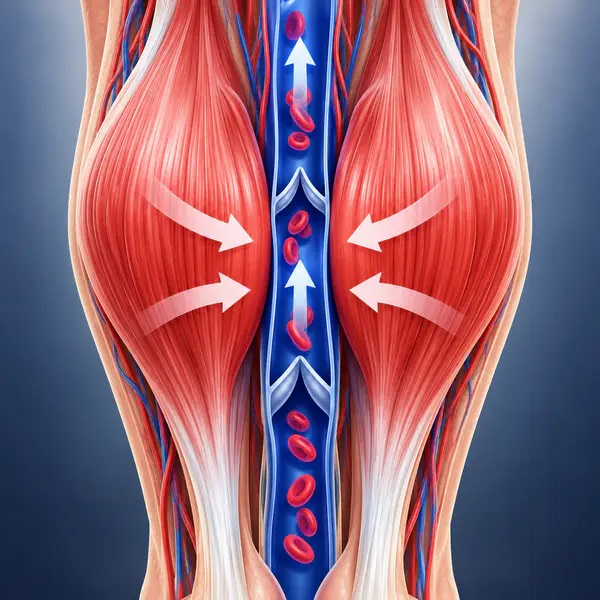
Blood vessels are closely intertwined with and surrounded by skeletal muscles. When skeletal muscles contract, they exert pressure on nearby vessels, helping push blood through. This physiological function is known as the Skeletal Muscle Pump.
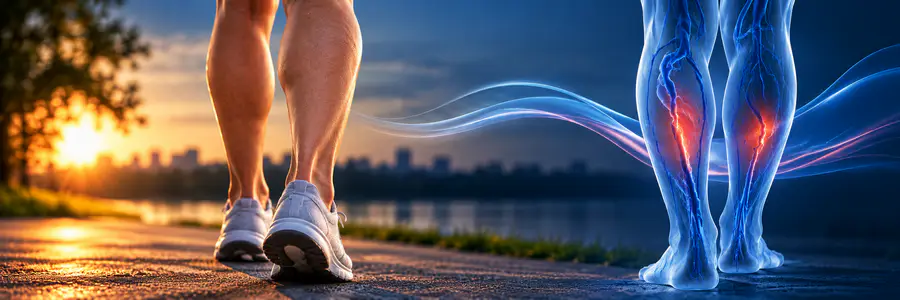
The skeletal muscle pump is particularly important for venous return. As blood travels through the veins back toward the heart, especially from the feet and lower legs, it must move against gravity. Muscle contractions compress the veins, while one-way venous valves help prevent backward flow, directing the blood toward the heart.
This is why prolonged sitting or standing can lead to blood pooling in the lower extremities, while walking, calf raises, and other leg movements can promote venous return by repeatedly activating the skeletal muscle pump.
A more active skeletal muscle pump can therefore enhance venous return and peripheral circulation. Vibration therapy offers a unique way to activate this pump through rapidly repeated, involuntary skeletal muscle contractions.
Vibration Enhances the Skeletal Muscle Pump
While cardiac muscle and vascular smooth muscle contract involuntarily, skeletal muscles are typically activated voluntarily under the control of the nervous system.
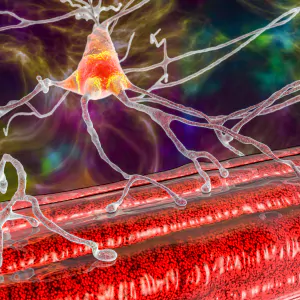
Vibration, however, can also induce involuntary skeletal muscle contractions through the natural stretch reflex response of the neuromuscular system.
As vibration rapidly stretches and relaxes the muscles, the stretch reflex induces repeated muscle contractions in response. At a vibration frequency of 30 Hz, for example, this stimulation occurs 30 times per second, creating a rapidly repeated pumping action on blood vessels within and surrounding the activated muscles.
This rapid and repetitive muscle activation is a distinctive feature of vibration therapy. By repeatedly activating the skeletal muscle pump, vibration can enhance peripheral blood flow and assist venous return without requiring the same repetitive voluntary muscle movements.
Increased Blood Flow and Muscle Oxygenation Observed in Research
Controlled studies have used quantitative measurements to investigate the effects of vibration on peripheral blood flow and muscle perfusion. Several studies have observed increased blood flow during or following vibration exposure, although the magnitude of the response varies with vibration frequency, amplitude, exercise protocol and the population studied.
Doppler ultrasound is commonly used to measure blood-flow velocity and vessel diameter, allowing researchers to estimate changes in blood flow before, during and after vibration exposure. These measurements provide objective evidence of the vascular response to vibration.
Other studies have examined muscle oxygenation using techniques such as near-infrared spectroscopy (NIRS). Changes in muscle oxygen saturation and oxygen re-saturation can provide additional information about the balance between local blood supply and oxygen use within the muscle.
Together, these findings indicate that vibration can produce measurable changes in peripheral blood flow and muscle oxygenation. They also support the physiological connection between vibration-induced muscle activation and circulation, although the response depends on the vibration modality and treatment parameters.
Applications of Vibration Therapy for Circulation Improvement
Older Adults and People with Limited Mobility
Older adults and people with limited mobility may have difficulty maintaining sufficient physical activity to regularly activate the skeletal muscle pump. Prolonged sitting and reduced leg-muscle activity can also contribute to blood pooling in the lower extremities.
Vibration therapy uses externally generated mechanical movement to stimulate involuntary muscle contractions. This provides a practical way to repeatedly activate the skeletal muscle pump with relatively little voluntary movement, making vibration particularly useful for people who have difficulty performing conventional exercise.
Peripheral Circulation in the Lower Extremities
The skeletal muscle pump is particularly important for circulation in the legs, where venous blood must return toward the heart against gravity. Vibration-induced contractions of the calf and other leg muscles can repeatedly activate this pumping mechanism and assist venous return.
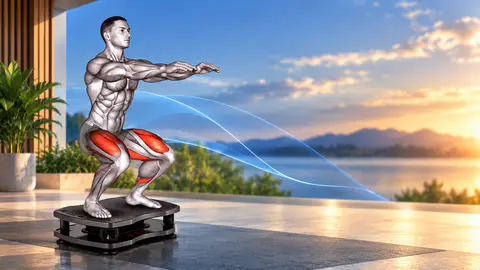
For this reason, vibration therapy may be particularly relevant for people who spend long periods sitting or standing, or whose physical activity is limited. Standing exercises such as calf raises and squats can further engage the leg muscles while using a vibration plate.
Local Blood Flow and Tissue Recovery
Blood circulation plays an important role in tissue recovery by delivering oxygen and nutrients and removing metabolic byproducts. Following muscle fatigue or injury, however, normal physical activity may be temporarily reduced.
Research has examined the use of vibration to increase local blood flow and muscle perfusion during recovery. Local vibration can stimulate muscle and vascular responses without requiring strenuous exercise, making it a potentially useful complement to appropriate rehabilitation and recovery exercises.
The application should depend on the type and stage of injury. Vibration should not be applied indiscriminately to an acute injury, and significant or persistent injuries should be properly evaluated before vibration exercise is introduced.
Vibration Exercise for Circulation Improvement
Calf raises, tiptoe poses, squats and similar weight-bearing exercises are well suited for use on a linear vibration plate. These poses engage the major muscles of the lower extremities, where the skeletal muscle pump plays an important role in peripheral circulation and venous return.
For activating the major leg muscles, a vibration frequency in the range of 25 to 40 Hz can be considered. Within this range, linear vibration can induce rapidly repeated muscle contractions through the stretch reflex response, creating a dynamic pumping effect on blood vessels within and surrounding the activated muscles.
A linear vibration plate such as VT007 is particularly suited for this type of exercise. Calf raises and tiptoe poses emphasize the calf-muscle pump, while squats engage larger muscle groups throughout the legs. Different poses can therefore be used to target different muscles involved in lower-extremity circulation.
Beginners should start with a comfortable vibration intensity and exercise duration, allowing the muscles and joints to gradually adapt before progressing to higher intensity or more demanding exercise poses.
Multiple short sessions can be used throughout the day rather than relying on a single prolonged session. This approach repeatedly activates the skeletal muscle pump while allowing adequate recovery between sessions.
For circulation improvement, the objective is not simply to use the highest vibration frequency or intensity, but to achieve effective and comfortable muscle activation through appropriate vibration settings and exercise poses.
References
- A systematic review of studies investigating the effects of controlled whole-body vibration intervention on peripheral circulation
- by M H Mahbub, Keiichi Hiroshige, Natsu Yamaguchi, Ryosuke Hase, Noriaki Harada, Tsuyoshi Tanabe PubMed.gov | PMID: 31278826
- “Effect of vibration on muscle perfusion: a systematic review”
- By Joel T Fuller, Rebecca L Thomson, Peter R C Howe, Jonathan D Buckley PubMed.gov | PMID: 23216759
- Local vibration therapy increases oxygen re-saturation rate and maintains muscle strength following exercise-induced muscle damage
- Aug 2021, S Percival, D T Sims Natsu Yamaguchi, | PubMed.gov
- Whole-body vibration and blood flow and muscle
- By Kenneth E Games, JoEllen M Sefton, Alan E Wilson PubMed.gov | PMID: 25974682
- The influence of whole body vibration on the central and peripheral cardiovascular system
- Dan Robbins, Priya Yoganathan, Mark Goss-Sampson PubMed.gov | PMID: 24237890